What is a drug?
 In Pharmacology, a drug is a natural or synthetic substance able to produce biological or functional effect in a living organism. A medication
is a drug used for the treatment, cure, prevention, or diagnosis of a
disease as well as in some condition to enhance physical or mental
well-being.
In Pharmacology, a drug is a natural or synthetic substance able to produce biological or functional effect in a living organism. A medication
is a drug used for the treatment, cure, prevention, or diagnosis of a
disease as well as in some condition to enhance physical or mental
well-being.
Preclinical phase
After the drug discovery, its biological activity
is analysed in computational models, cell cultures or animals (from
less to more sensitive according to their phylogenetic scale) following
the 3 R's principle of Russell and Burch.
The protocols must be submitted and approved by the Ethical Committee
of Experimental Animal Research of the university or research centre
where the research is going to be carried out.
 Preclinical studies are also required to determine the efficacy of the medicament via the pharmacokinetic (the response of the organism to the drug) and pharmacodynamic (how the drug acts in the organism) analyses. In addition, the security of the drug needs to be evaluated by toxicological studies after chronic and acute exposure. An improper testing of the efficacy or security of the drugs can cause serious health problems in the clinical stage, as happened in the middle of the XX century with Thalidomide,
a drug prescribed as a sedative and antiemetic for morning sickness.
Thousands of pregnant women took Thalidomide to relieve their symptoms.
In the late 50's and early 60's reports of children born with
deformities such as phocomelia (rare congenital disorder involving
malformations of the limbs, see picture in the right) as a consequence
of Thalidomide use saw the light. The effects of
Thalidomide raised the issue of safety of pharmaceutical drugs with
testing and approval of toxins becaming more important.
Preclinical studies are also required to determine the efficacy of the medicament via the pharmacokinetic (the response of the organism to the drug) and pharmacodynamic (how the drug acts in the organism) analyses. In addition, the security of the drug needs to be evaluated by toxicological studies after chronic and acute exposure. An improper testing of the efficacy or security of the drugs can cause serious health problems in the clinical stage, as happened in the middle of the XX century with Thalidomide,
a drug prescribed as a sedative and antiemetic for morning sickness.
Thousands of pregnant women took Thalidomide to relieve their symptoms.
In the late 50's and early 60's reports of children born with
deformities such as phocomelia (rare congenital disorder involving
malformations of the limbs, see picture in the right) as a consequence
of Thalidomide use saw the light. The effects of
Thalidomide raised the issue of safety of pharmaceutical drugs with
testing and approval of toxins becaming more important.
 Preclinical studies are also required to determine the efficacy of the medicament via the pharmacokinetic (the response of the organism to the drug) and pharmacodynamic (how the drug acts in the organism) analyses. In addition, the security of the drug needs to be evaluated by toxicological studies after chronic and acute exposure. An improper testing of the efficacy or security of the drugs can cause serious health problems in the clinical stage, as happened in the middle of the XX century with Thalidomide,
a drug prescribed as a sedative and antiemetic for morning sickness.
Thousands of pregnant women took Thalidomide to relieve their symptoms.
In the late 50's and early 60's reports of children born with
deformities such as phocomelia (rare congenital disorder involving
malformations of the limbs, see picture in the right) as a consequence
of Thalidomide use saw the light. The effects of
Thalidomide raised the issue of safety of pharmaceutical drugs with
testing and approval of toxins becaming more important.
Preclinical studies are also required to determine the efficacy of the medicament via the pharmacokinetic (the response of the organism to the drug) and pharmacodynamic (how the drug acts in the organism) analyses. In addition, the security of the drug needs to be evaluated by toxicological studies after chronic and acute exposure. An improper testing of the efficacy or security of the drugs can cause serious health problems in the clinical stage, as happened in the middle of the XX century with Thalidomide,
a drug prescribed as a sedative and antiemetic for morning sickness.
Thousands of pregnant women took Thalidomide to relieve their symptoms.
In the late 50's and early 60's reports of children born with
deformities such as phocomelia (rare congenital disorder involving
malformations of the limbs, see picture in the right) as a consequence
of Thalidomide use saw the light. The effects of
Thalidomide raised the issue of safety of pharmaceutical drugs with
testing and approval of toxins becaming more important.After preclinical testing, the drug can progress to the clinical phase following the positive evaluation of the National (AEMPS: Agencia Española de Medicamentos y Productos Sanitarios in Spain), European (EMA: European Medicines Agency) or American (FDA: Food and Drug Administration) authorities.
The
clinical phase includes a serial of tests to ensure the efficacy and
security in humans as well as to generate data of the adverse drug
reactions or adverse effects with other treatments. All the
investigations must conform to the Declaration of Helsinki
and the protocols must be submitted and approved by the Ethical
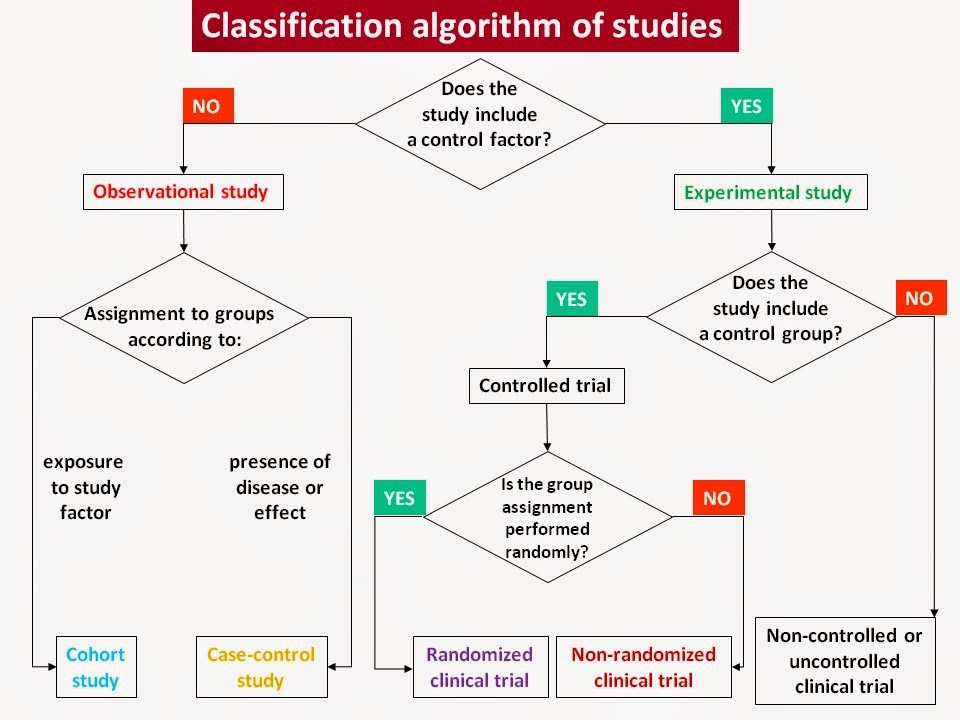
Committee of Clinical Research. The clinical developmental phases are:
- Phase I: the drug is administered, for the first time, to 20-100 healthy individuals in order to evaluate the safety of the dosage and how the drug should be given. Usually this stage lasts from 6 to 12 months.
- Phase II: the biological activity and the optimal dosage of the drug is tested in 100-200 patients and healthy individuals involved in blind clinical trials. Information about the drug's safety, side effects and potential risks are also collected. This phase of the clinical trial lasts between 1-2 years.
- Phase III trials enroll a large number of individuals (1,000-3,000 patients) in order to compare the efficacy of the new drug with other existing medicaments in a double-blind, randomized study. Additional information about the safety and side effects of the drug is gathered during a period of 2-3 years. Once the drug has been proven succesful in the Phase III clinical trial, the researchers can submit an application to AEMPS, EMA or FDA approval. If data from the clinical trial meet the AEMPS's, EMA's or FDA's standards of safety and efficacy, the drug is approved for a specific use.
- Phase IV or post-marketing surveillance: the safety surveillance is designed to detect any rare or long-term adverse effects over a large population. Harmful effects can result in a drug being withdrawn or restricted to certain uses. A recent example include rofecobix (Vioxx), a nonsteroidal antiinflammatory drug used for the treatment of osteoarthritis, acute pain and dysmenorrhoea, that was withdrawn from the market because it caused serious secondary cardiovascular effects.
The
entire process of a drug from the lab to this point may take
approximately 12-18 years. In the following video, you can see a summary
of the 4 stages of the clinical phase:

You will have to know all the phases of the pharmaceutical R&D process as well as their main characteristics: